
- Home
- Why Hardware Wallets Are the Quiet MVPs of DeFi, Multi-Currency Support, and Staking
Whoa! I remember the first time I moved coins off an exchange — my heart raced. It felt both revolutionary and oddly intimate, like putting a safe in your garage and then realizing you lost the keys. Initially I thought hardware wallets were only for hoarding Bitcoin, but that was naive; the landscape has shifted hard. On one hand, DeFi offers composable yield and new frontiers for capital efficiency, though actually, wait—let me rephrase that: DeFi is a toolbox, and a hardware wallet is your gloves. Something felt off about the early messaging (too techy, too impenetrable), and my instinct said this would keep regular users away unless the UX and integrations matured.
Really? Yes. Staking used to be a stretch for on-device security. Now it’s not only feasible, it’s practical for people who care about custody. I’m biased, but the intersection of hardware keys plus multi-chain compatibility is the most interesting security story of the last five years. There’s a clear trade-off: accessibility versus absolute control. On one side, custodial services simplify everything; on the other, hardware devices hand you the private keys and make you responsible — very very important to understand that.
Hmm… let’s dig into the three things that matter: DeFi integration, multi-currency support, and staking. Short version first. Security without usability is a shelf queen. If you can’t or won’t use a secure solution, it’s worthless. So usability improvements that keep custody strong are the real wins here.
Okay, so check this out — DeFi integration used to mean “connect your seed phrase to a web app” which is basically a horror movie. Now firms are building bridges where the wallet signs transactions on-device, and the sensitive signing never leaves the secure element. There’s been a big shift toward standardized communication protocols and better UX flows, and that reduces attack surface in a meaningful way. My instinct said the industry would fragment, but instead we’ve seen common patterns emerge, even across chains that once felt like different planets.
Whoa! That shift matters. Short signatures, medium explanations, long thinking: when hardware wallets mediate DeFi transactions, they do three things at once — they keep keys offline, they give users clear transaction details (amounts, destinations, contract interactions), and they force an intentional approval step that blocks accidental approvals or phishing attempts. Initially I thought device screens were too small to convey real details, but designers have gotten clever — more context, clearer prompts, and confirmational friction that actually helps users make better choices. Frankly, this part still bugs me sometimes; some dApps forget to show token symbols, or they use truncated addresses in ways that confuse people.
On to multi-currency support. Really simple point first: storage versatility equals lower migration risk. If your device only did one or two coins, you were constantly moving funds and increasing exposure. Now, many hardware wallets push firmware updates and partner with apps to broaden coin support without sacrificing the core security model. There’s a big difference between “supports” and “supports well.” I like breadth, but depth matters more — native transaction signing, chain-specific fee handling, and accurate nonce management are what makes support production-ready.
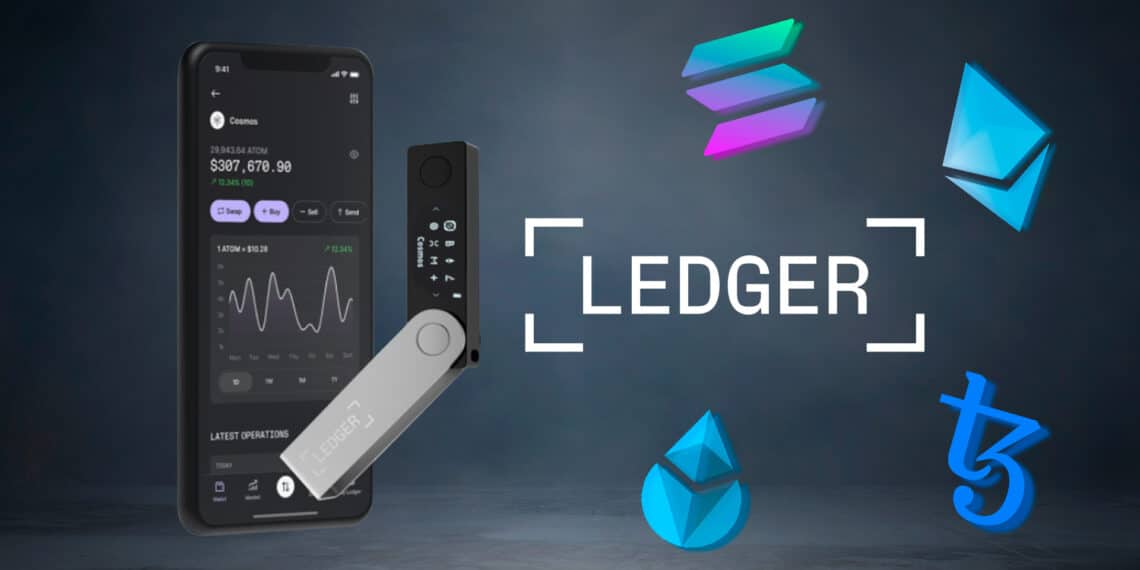
Here’s what surprised me: some hardware devices now allow managing dozens of assets through a single companion app while keeping keys offline. That companion app — and yes, if you want a familiar, polished experience, check out ledger live — acts as the bridge between the offline keys and the lively, messy world of exchanges, DeFi, and staking protocols. Initially I thought one app couldn’t handle many ecosystems without becoming a bloated mess, but the trick is modular integrations and a clean permission model. Oh, and by the way… modularity means third-party apps can plug in without asking for your seed.
Staking: Custody, Rewards, and Responsibility
Staking is the part where small differences matter a lot. Short thought: more constraints, more security. Longer explanation: when you stake through a hardware wallet, the keys that create and sign the delegation or bonding transactions remain offline, which dramatically reduces the risk of slashings and unauthorized redelegations. On one hand, using a validator or staking pool lowers the operational burden; on the other hand, you must trust that the chosen validator behaves correctly — so hardware security solves key compromise but not validator misbehavior. I’m not 100% sure all users grasp that nuance, and that worries me a bit.
Seriously? Yep. There are multiple staking models — on-chain delegation, pooled staking via contracts, liquid staking tokens — and each brings different UX and security considerations. Initially I favored delegations to a known validator because it felt straightforward, but then liquid staking became attractive because of liquidity and composability. Actually, wait—let me rephrase that: liquid staking adds convenience and DeFi opportunity, but it introduces smart contract risk, so device-level confirmations of those contract interactions are crucial. Users should insist on readable, unambiguous prompts before approving a contract that will mint derivative tokens.
Something worth repeating: hardware wallets reduce one class of risk (key theft) but not every risk. Validators can misbehave, contracts can contain bugs, and front-ends can lie. The hardware wallet’s job is to ensure the private key signs only what you actually asked it to sign, making it easier to blame the protocol or the user, not the custody solution. Which is fair, I guess, even if it’s uncomfortable sometimes.
Now let’s talk about practical setups. Short checklist: use a hardware device, update firmware, pair with a trusted companion app, verify addresses on-device, and keep backups offline. Medium note: for multi-currency portfolios, organize accounts by purpose (cold storage, active DeFi capital, staking allocation). Long thought: treat staking funds differently than your trading funds because slashing, lockups, and unstaking delays mean liquidity planning is part of security — if you stake everything and then need cash, the ensuing scramble can force risky behavior.
Whoa! That’s why many experienced users split funds. Really simple split: 60-30-10 or whatever your risk tolerance allows — long-term cold storage, delegated/staked assets, and active DeFi capital. This is not financial advice; it’s just how a lot of folks structure things to reduce friction and avoid single-point failures. I’m biased toward more cognitive friction in approvals — it’s saved me from dumb mistakes — but some people find it annoying. There’s no perfect answer, only trade-offs.
Let’s get tactical for an instant. If you’re integrating a hardware wallet into your DeFi workflow, do these things: verify contract addresses on-device, confirm gas fees and token quantities on-screen, and use dedicated accounts for each protocol where possible. Medium nuance: when interacting with layered contracts (like depositing into a vault that interacts with another protocol), make sure the signing prompts show the immediate action and the contract you expect. Longer nuance: consider using a separate address for bridged assets; bridging is a risk multiplier, and visual isolation helps prevent accidental cross-chain transfers that are costly or irreversible.
I’m not a fan of absolute certainty. There are unknowns. New L2s pop up. Bridges change fast. I thought once that hardware wallets would stagnate, but instead updates keep them relevant. Manufacturers push firmware with new signing capabilities, better UIs, and sometimes experimental features that let users stake or interact with emerging ecosystems more securely. This constant evolution is both a blessing and a management overhead — you must pay attention to updates, release notes, and sometimes community audit signals.
Short pause. Really important: back up your seed safely. Long explanation: a hardware wallet protects you while the device exists, but your seed is the last resort. Store it offline, split it physically if you must, and avoid digital copies. I’m biased toward paper or metal backups, not cloud snapshots, and that might sound old-school to some, but it’s practical.
Here’s a small, practical story — my friend lost access to an exchange account in 2020 and had to rely on a hardware seed. He had multiple backups, but one was damp and faded, and another was in a mislabeled envelope. The stress was real. The lesson was: redundancy plus clarity beats exotic backup schemes. Also, always test restores before you need them. Honestly, that step is rarely done, and it should be.
FAQs — Quick and Real
Can hardware wallets fully protect me when using DeFi?
They protect your keys and signing operations, which is a major win, but they can’t eliminate protocol risk, front-end phishing, or validator misbehavior. Use device confirmations as your last line of defense and pair that with cautious protocol due diligence.
Is multi-currency support safe to rely on?
Yes, if the wallet supports native signing for each chain and the companion app handles chain-specific quirks properly. Depth of support matters more than breadth — verify token handling, fee mechanics, and address formats before moving large sums.
How should I approach staking with a hardware wallet?
Keep staking funds separate from active DeFi funds, confirm on-device details for delegation or contract approvals, and understand lockup/unbonding periods. Consider validator reputation and slashing history as part of your security checklist.