
- Home
- Phantom in the Browser: My Hands-On Guide to the Solana Wallet Extension
Whoa!
Okay, hear me out—I’ve been messing with Solana wallets for years now. I use browser extensions every day. At first glance Phantom feels simple. But when you dig, things get interesting, messy, and kind of brilliant all at once.
Really?
Yes. Seriously. The first time I connected Phantom to a DApp my gut said everything looked legit. Initially I thought it would be another clunky wallet, but then I realized the UX choices actually matter a lot for safety and speed. On one hand the extension makes signing tiny transactions painless, though actually the permission prompts sometimes feel too frequent if you fiddle with apps a lot.
Here’s the thing.
I want to walk you through what I like, what bugs me, and how to set it up without doing something dumb. This isn’t a full dev doc. I’m biased toward practical tips. I’ll be honest—my instinct said “update often” because browser extensions can go sideways if neglected.
Hmm…
Start with the basics: browser extensions run in your browser context, so they inherit both convenience and risk. Phantom stores your Solana keys in an encrypted local store, which is convenient for daily use. But convenience equals attack surface if your machine is compromised, so lock your laptop when you step away. Something felt off about people treating any extension like it’s a hardware wallet substitute—it’s not.
Wow!
Installation is straightforward on Chrome and Brave. On Firefox the experience is similar but the permissions dialog reads differently. For a reliable installer, I’ve used the official sources and bookmarked the trusted page that I keep going back to. You can check my usual download reference here: https://sites.google.com/cryptowalletextensionus.com/phantomwalletdownloadextension/
Okay, so check this out—
Once installed, the seed phrase setup is the moment that matters most. Write it down offline. Do not take screenshots. If you do anything else, you’re basically trusting someone else with your funds. I’m not scolding, I’m just saying what I learned the hard way once—don’t be that person.
Seriously?
Yes—trust but verify. Phantom’s permissions let you expose accounts to DApps, and that exposure is granular enough to work well with most applications. But some DApps will request access to “all accounts”, and that should raise a flag for you. My advice: use separate browser profiles when testing sketchy apps so you limit cross-contamination.
Whoa, really?
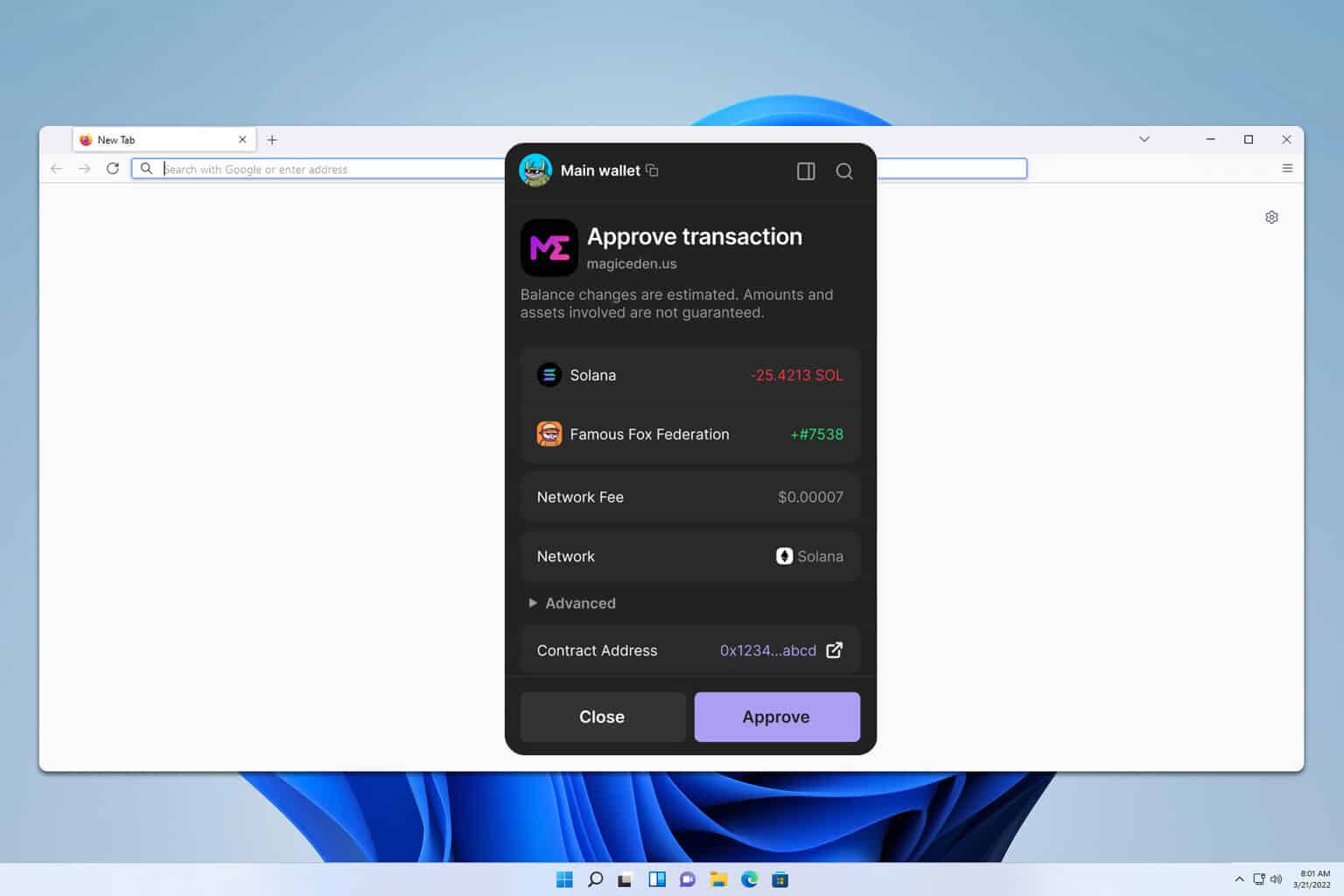
Longer workflows can surprise you. For example, interacting with NFT marketplaces often triggers multiple signatures for listing, transfer, and royalties, which quickly becomes tedious if you keep approving everything. On one hand quick approvals are a delight when you’re moving tokens fast—on the other hand they can become a liability if you’re not paying attention. Initially I approved a batch once and then realized I’d given more permissions than intended; lesson learned.
Hmm…
Phantom also supports hardware wallets like Ledger, which is something I appreciate. Tie your extension to a hardware wallet for long-term storage. That way you get everyday convenience from Phantom but keep seed custody offline. It’s not perfect, but this hybrid approach has saved me from some late-night panics.
Here’s what bugs me about the UI.
Notifications sometimes pile up, and the transaction details view could be clearer about fee breakdowns. I’m not 100% sure why fee estimates vary in the moment, but I suspect mempool timing and RPC node differences play a role. Also, the small text in some modals makes it easy to miss the target network—very very important to check that before you hit confirm.
Oh, and by the way…
Network selection matters. Phantom defaults to mainnet-beta, which is what you want for real trades. But testnet and devnet are useful for experimenting without real funds. When I’m debugging a smart contract or testing a mint, I switch profiles so I keep my real wallet pristine. This is a tiny habit that pays off.
Whoa!
Security checks—be proactive. Use a browser dedicated to crypto if you’re heavy into Web3, and avoid extensions you don’t need. Multi-factor on your exchange accounts is a must, but that doesn’t protect your local seed. If your laptop is ever compromised, a seed phrase is a single point of failure.
Hmm, somethin’ to add…
Phantom’s integration with DApps is smooth because of Solana’s account model and low fees. That speed changes behavior; you click faster, you approve faster, and that can be risky if you’re on autopilot. Slow down. Read the contract name. Pause. I’m guilty of not doing that early on, so trust me.
Wow, okay.
Customization options are modest but useful. You can add tokens manually, switch to a different RPC endpoint, and set a default commitment level. For power users, setting a trusted RPC node reduces latency and reduces weird errors when nodes lag. For most people the defaults are fine though.
Here’s an annoying detail.
Phantom occasionally prompts to “connect” again even when you just did. It’s likely a DApp-side session issue rather than the extension. Still, it interrupts flow and can cause accidental approvals if you rush. Patience is underrated in crypto.
Initially I thought it was all smooth sailing, but then tensions showed up.
There are thoughtful safety features like auto-lock timers and the option to reveal public keys only when needed, but nothing substitutes for user discipline. On one hand the product nudges you toward safer behavior; on the other hand it can’t prevent social engineering. Be suspicious of urgent messages asking you to sign transactions.
Okay—final thoughts.
Phantom is a strong entry for Solana users who want a browser-first wallet with a friendly UX. It balances simplicity and control in a way that feels modern. If you want to use Solana DApps frequently, it’s an efficient tool, but treat it like a key to your house and not the house itself.
Quick FAQ
A few quick answers from my experience.
How do I recover my wallet if I lose my device?
Use your seed phrase on a fresh install or a hardware wallet recovery—write it down and store it offline; don’t rely on cloud backups. If your phrase was exposed you’ll need to move funds to a new address immediately.
Can I use Phantom with a Ledger?
Yes. Connecting a Ledger gives you an extra layer of protection because signing happens on-device. It’s not foolproof, but it materially raises the cost for attackers.